





Molar Implantation

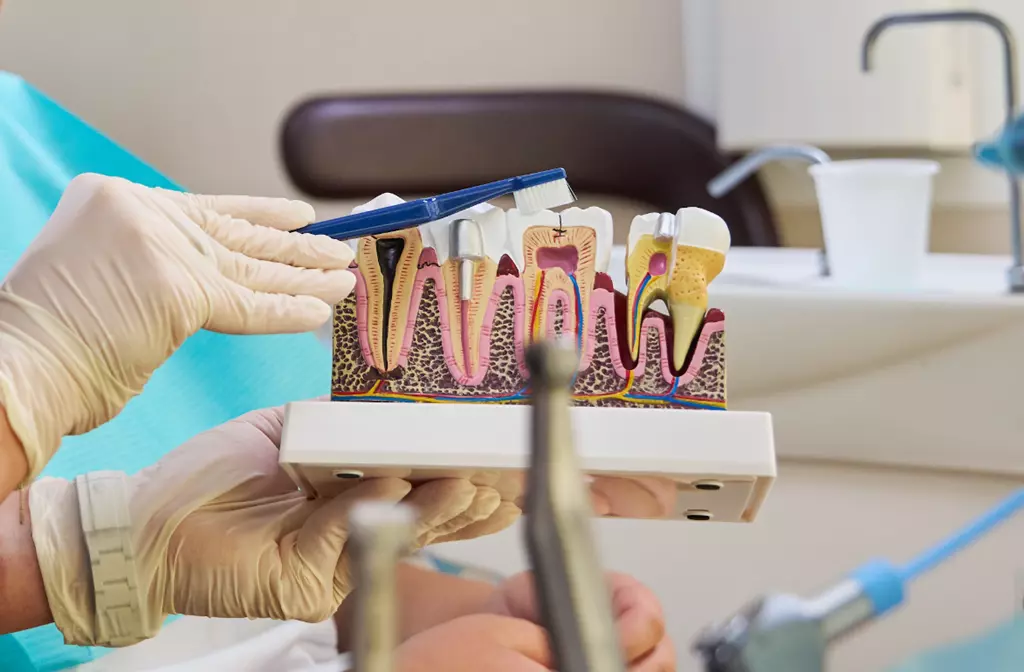

Restoring the Strength of Your Bite
When a back tooth is lost, daily life changes more than most people expect. Chewing becomes uneven, food choices narrow, and the jaw must work harder on one side than the other. Over time, the bone in the empty space thins out, and neighbouring teeth may shift. At TRUE SMILE Dental Centre on Al Reem Island, we focus on restoring this part of the smile with precise, carefully planned dental implants in Abu Dhabi that feel natural and stable.
Why the Back Teeth Matter So Much
Chewing teeth support far more than the act of eating. They stabilise the entire dental arch, influence facial symmetry, and help protect the jaw joint by distributing pressure evenly. When one of these teeth is missing, the body adapts in ways that may not be obvious at first:
- food is crushed less efficiently
- digestion may be affected
- the bite shifts toward the stronger side
- the jaw joint carries more strain
- bone volume slowly reduces in the empty area
Replacing a missing molar with an implant rebuilds this lost support and helps maintain both comfort and facial balance.
Lower Jaw Implantation
The lower jaw typically provides firm bone, which often allows for a straightforward procedure. With 3D imaging, our surgeons can see the exact width and height of the bone and choose the implant location with great accuracy. This preparation allows for a stable base that can withstand everyday chewing.
Patients usually find that lower-jaw implants integrate predictably and feel secure once restored with a crown crafted to match the opposite side.
Upper Jaw Implantation
The upper jaw can present different anatomical considerations. The bone tends to be softer, and the sinus may limit available height. If the bone volume is insufficient, supportive procedures such as sinus elevation or targeted bone augmentation may be recommended. These are well-established methods used worldwide.
With the right preparation, implants placed in the upper molar region can function just as reliably as those in the lower jaw and provide the same long-term stability.
When This Treatment Is Recommended
Implant therapy for the chewing area may be considered when a patient has:
- a missing tooth after extraction or trauma
- difficulty chewing on one side
- tilting or drifting of neighbouring teeth
- bone thinning in the area of the missing root
- recurrent discomfort from overloading the remaining teeth
A consultation allows us to evaluate the condition of the bone, gum health, and overall chewing pattern to determine the safest and most effective solution.
When Implant Placement Should Be Postponed
There are situations in which the jaw or soft tissues need to be prepared before any surgical procedure. This includes active gum inflammation, untreated infections, or systemic conditions that require stabilisation. Tobacco use, certain medications, and low bone density may also affect the timing of treatment.
Our goal is always the same: choose the moment when the body is most ready to support healthy healing.
How We Select Materials
TRUE SMILE uses implants made from medical-grade titanium due to their compatibility with bone and their proven record of long-term performance. Once the implant integrates, a ceramic crown is designed to recreate the original tooth’s shape, shade, and chewing surfaces.
The design is based on digital scans, allowing us to match the bite with high accuracy and avoid unnecessary pressure on the restored tooth.
Modern Diagnostics and Digital Planning
Accurate planning is essential for back teeth, which absorb the strongest forces. We rely on a combination of 3D CBCT imaging, digital impressions, and computer-based planning tools that allow our surgeons to visualise the future position of the implant before treatment begins.
This reduces surgical time, improves comfort, and helps achieve a precise result. When appropriate, a guided surgical template is created to support a minimally invasive approach.
How the Treatment Unfolds
Consultation and Assessment
We review medical history, examine the gums and bone, take CBCT scans, and discuss expectations.
Implant Placement
The implant is positioned gently within the bone. Patients may choose local anaesthesia, nitrous oxide, or deep sleep anaesthesia depending on comfort level.
Healing
The bone gradually integrates with the implant surface. This biological process takes place naturally over several weeks or months.
Final Restoration
A customised ceramic crown is attached to the implant, allowing you to chew normally again.
Recovery and Care
Swelling or mild pressure may appear in the first days, and soft foods are generally recommended. Most patients return to work the next day. Long-term success depends on consistent oral hygiene, regular professional cleanings, and follow-up visits. With proper care, a molar implant can remain functional for many years.
Understanding the Cost
The investment varies because every clinical situation is different. Factors include:
- the condition of the bone and gums
- the type of implant system
- whether bone enhancement is necessary
- the design and material of the final crown
Before any treatment begins, patients receive a detailed plan outlining every stage and associated cost so they can make an informed decision.
Cost for Molar Implantation
Check full price-listOur doctors
We've assembled an international team of dental experts who use cutting-edge technology — from 3D diagnostics to anti-stress dentistry with nitrous oxide.



Dr. Natalia Lola
Specialist Orthodontist, CEO

Dr. Mustafa Sarikahya
Endodontics Specialist

Dr. Shan Alvi
Specialist Prosthodontist and Implantologist

Dr. Ramona Kleinschmidt Do Valle
General Dentist
Dr. Nawar Khafaji
General Dentist


Dr. Faten Souki El Jurdi
General Dentist

Dr. Tina Kumar
Specialist Endodontist

Dr. Karan Kalra
Specialist Orthodontist

Dr. Ali Gibreel
General Dentist, Restorative & Aesthetic Dentist
Dr. Tatiana Pestova
General Dentist

Dr. Yazan Abukhalaf
Oral & Maxillofacial Surgeon

Dr. Irina Evstafeva
General DentistWhy choose True Smile
International expertise under one roof
A truly global team with experience from leading clinics in different countries.

Anti-stress dentistry for adults and children
Gentle adaptation, calm communication, and nitrous oxide sedation when anxiety gets in the way.

Precise diagnostics, clear treatment plans
We explain every step, show options, and build a plan that matches your goals and budget.

Comfort-first, pain-controlled care
Modern anaesthesia and careful technique to keep treatment smooth and comfortable.
Family dentistry you can trust
From children's check-ups to complex adult cases, we care for smiles at every age.
Multilingual team
Our dentists and coordinators speak multiple languages, so you'll always feel understood.
CAPP MENA Dental Awards


Average rating our clinic

Don't know what service you need?
Leave your details and we will call you back

We answer frequently asked questions
Back teeth carry most of the chewing load. When one is missing, the bite shifts to the other side, the jaw joint takes extra strain, neighbouring teeth begin to tilt, and the bone in the empty area gradually thins. Replacing the tooth restores balance and protects everything around it.
Most patients complete treatment within 3–6 months. The exact timeline depends on bone quality and whether the upper jaw requires a sinus lift. We always share a personal step-by-step plan during your consultation so you know what to expect.
The chewing area carries more force, so we plan it with extra care — using 3D imaging to choose the most stable location and an implant size matched to your bone. Aesthetics are simpler because back teeth are less visible; the priority shifts to strength, comfort and a precise bite.
Not always. The need depends on how much bone remains beneath the sinus floor. If extra height is required, a sinus lift is a well-established and gentle procedure that creates a reliable foundation. Lower-jaw molars rarely need it.
In some cases, yes — typically when bone quality is excellent and the implant achieves high primary stability. For most patients we recommend giving the bone time to heal first, which makes the long-term result more predictable. We will tell you honestly which option is right for your case.
An implant stands on its own without touching the neighbouring teeth, preserves the bone underneath, and typically lasts longer. A bridge is faster to make but requires reshaping healthy teeth on either side. For most molar cases, an implant is the more conservative long-term choice.
What Our Patients Say – Testimonials
Hear from the people who trust us with their smiles. Real experiences from our patients in Abu Dhabi.


Blog
Discover fun facts, expert advice, and practical tips to help you understand your teeth better and take great care of your smile.

Abu Dhabi’s Hidden Dental Crisis: How Desert Heat & AC Are Silently Damaging Your Teeth
Read More +
Invisalign vs Braces in Abu Dhabi: Differences, Cost Factors & Who It’s Best For
Read More +TRUE SMILE Dental Centre Wins 4 Awards at the Prestigious CAPP MENA Dental Awards
Read More +
Best Dentist in Abu Dhabi: 10 Signs of Truly Exceptional Dentistry
Read More +
Why Are Temporary Prostheses Placed on Implants First?
Read More +
How We Learned to Grow Teeth: From Early Experiments to the Breakthroughs of 2025
Read More +
Is Pain After Root Canal Normal?
Read More +
You’ve Started Orthodontic Treatment with Clear Aligners in Abu Dhabi
Read More +


