





Dental cyst removal

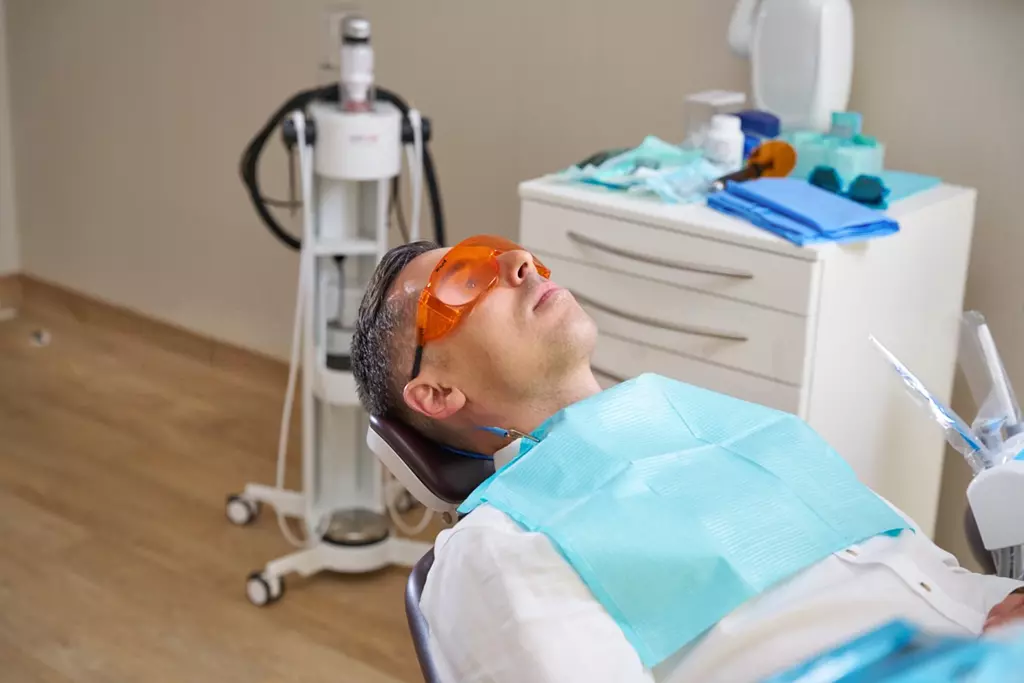

Dental Cyst Removal: Causes, Procedure, and Recovery
A dental cyst is a fluid-filled cavity that may develop around tooth roots, inside the jawbone, or near impacted teeth. Although some cysts remain small and silent, others may continue to grow, causing pain, infection, or pressure on neighbouring teeth and bone. In Abu Dhabi, our oral surgeons perform gum cyst removal using minimally invasive techniques to speed recovery. Early diagnosis and proper management are essential to prevent long-term complications.
Causes of dental cysts
Several factors may contribute to the appearance of a cyst inside the jaw or around a tooth:
Impacted or non-erupting teeth – Wisdom teeth or other unerupted teeth may form cysts around their crowns.
Infected root canals – When the dental pulp becomes infected, a cyst can form at the root tip.
Genetic conditions – Some inherited disorders increase the likelihood of cyst development.
Jaw trauma – Injuries to the jawbone may trigger cyst formation over time.
Untreated cavities – Deep decay can lead to chronic inflammation and cyst formation near the roots.
Types of dental cysts
Periapical cyst – Occurs at the tip of a tooth affected by pulp infection.
Dentigerous cyst – Forms around an unerupted or impacted tooth, commonly a wisdom tooth.
Keratocystic odontogenic tumour (KCOT) – A more aggressive lesion known for recurrence.
Residual cyst – Appears after a tooth extraction if infected tissue remains inside the socket.
How is a dental cyst removed?
1. Diagnosis and imaging
The process begins with X-rays or a CT scan to understand the size, location, and structure of the cyst.
If the lesion shows unusual behaviour, a biopsy may be recommended.
2. Surgical removal (cystectomy)
Depending on the size and depth of the cyst, local or general anaesthesia may be used.
A small incision is created in the gum to access the cystic cavity.
The cyst is carefully removed, followed by thorough cleaning of the surrounding tissues.
If a large area of bone is affected, bone grafting may be performed to restore proper jaw structure.
3. Marsupialisation (drainage technique for large cysts)
For very large cysts that cannot be removed in one step, a small opening is created to allow gradual drainage.
This method helps reduce pressure and allows the body to heal progressively.
What to expect after dental cyst removal
Mild swelling and discomfort – Usually managed with prescribed pain relievers and cold compresses.
Soft diet – Eating soft foods during the first days helps avoid irritation of the surgical area.
Oral hygiene instructions – Gentle rinsing with saline or a prescribed mouthwash prevents infection.
Suture removal – If non-dissolvable stitches were used, they are removed after 7–10 days.
Bone recovery – In cases involving significant bone loss, full regeneration may take several months.
Preventing dental cysts
Regular dental check-ups. Early detection helps prevent cysts from enlarging.
Timely treatment of infections . Root canal therapy or fillings reduce the risk of cyst formation.
Wisdom teeth monitoring. Periodic evaluation of impacted wisdom teeth helps prevent dentigerous cysts.
Good oral hygiene. Daily brushing and flossing reduce inflammation and infection risk.
When to contact a dentist
Seek professional help if you notice:
• Persistent swelling or pain in the jaw or gums
• A visible lump inside the mouth or under the jawline
• Difficulty chewing or opening the mouth
• Unexplained numbness of the jaw or lips
• Recurrent cysts despite previous treatment
Conclusion
Removing a dental cyst in time helps prevent infection, bone destruction, and unwanted movement of neighbouring teeth. If you suspect a cyst or have been advised to monitor one, schedule an appointment for evaluation. Early dental cyst treatment ensures predictable healing and long-term oral health.
Cost for Dental cyst removal
Check full price-listOur doctors
We've assembled an international team of dental experts who use cutting-edge technology — from 3D diagnostics to anti-stress dentistry with nitrous oxide.



Dr. Natalia Lola
Specialist Orthodontist, CEO

Dr. Mustafa Sarikahya
Endodontics Specialist

Dr. Shan Alvi
Specialist Prosthodontist and Implantologist

Dr. Ramona Kleinschmidt Do Valle
General Dentist
Dr. Nawar Khafaji
General Dentist


Dr. Faten Souki El Jurdi
General Dentist

Dr. Tina Kumar
Specialist Endodontist

Dr. Karan Kalra
Specialist Orthodontist

Dr. Ali Gibreel
General Dentist, Restorative & Aesthetic Dentist
Dr. Tatiana Pestova
General Dentist

Dr. Yazan Abukhalaf
Oral & Maxillofacial Surgeon

Dr. Irina Evstafeva
General DentistWhy choose True Smile
International expertise under one roof
A truly global team with experience from leading clinics in different countries.

Anti-stress dentistry for adults and children
Gentle adaptation, calm communication, and nitrous oxide sedation when anxiety gets in the way.

Precise diagnostics, clear treatment plans
We explain every step, show options, and build a plan that matches your goals and budget.

Comfort-first, pain-controlled care
Modern anaesthesia and careful technique to keep treatment smooth and comfortable.
Family dentistry you can trust
From children's check-ups to complex adult cases, we care for smiles at every age.
Multilingual team
Our dentists and coordinators speak multiple languages, so you'll always feel understood.
CAPP MENA Dental Awards


Average rating our clinic

Don't know what service you need?
Leave your details and we will call you back

We answer frequently asked questions
Dental cyst removal is a procedure aimed at eliminating cystic lesions in the jaw or soft tissues, which can cause discomfort, infection, or damage to adjacent structures if left untreated.
The procedure generally involves a surgical excision of the cyst under local anesthesia, ensuring complete removal to reduce the risk of recurrence.
Common cyst types include radicular cysts, dentigerous cysts, and keratocystic odontogenic tumors, each of which may require a slightly different surgical approach.
Removing dental cysts can relieve pain, prevent further bone loss or tooth damage, and help maintain overall oral health.
Post-operative recovery typically involves managing swelling and discomfort with prescribed medications, maintaining excellent oral hygiene, and attending follow-up appointments to monitor healing.
Potential risks include infection, bleeding, or accidental damage to nearby nerves and tissues; however, these complications are generally minimized when performed by an experienced dental professional.
What Our Patients Say – Testimonials
Hear from the people who trust us with their smiles. Real experiences from our patients in Abu Dhabi.


Blog
Discover fun facts, expert advice, and practical tips to help you understand your teeth better and take great care of your smile.

Abu Dhabi’s Hidden Dental Crisis: How Desert Heat & AC Are Silently Damaging Your Teeth
Read More +
Invisalign vs Braces in Abu Dhabi: Differences, Cost Factors & Who It’s Best For
Read More +TRUE SMILE Dental Centre Wins 4 Awards at the Prestigious CAPP MENA Dental Awards
Read More +
Best Dentist in Abu Dhabi: 10 Signs of Truly Exceptional Dentistry
Read More +
Why Are Temporary Prostheses Placed on Implants First?
Read More +
How We Learned to Grow Teeth: From Early Experiments to the Breakthroughs of 2025
Read More +
Is Pain After Root Canal Normal?
Read More +
You’ve Started Orthodontic Treatment with Clear Aligners in Abu Dhabi
Read More +


