


Diagnostics and Dental Check-Up

Diagnostics and Dental Check-Up services


About the Procedure
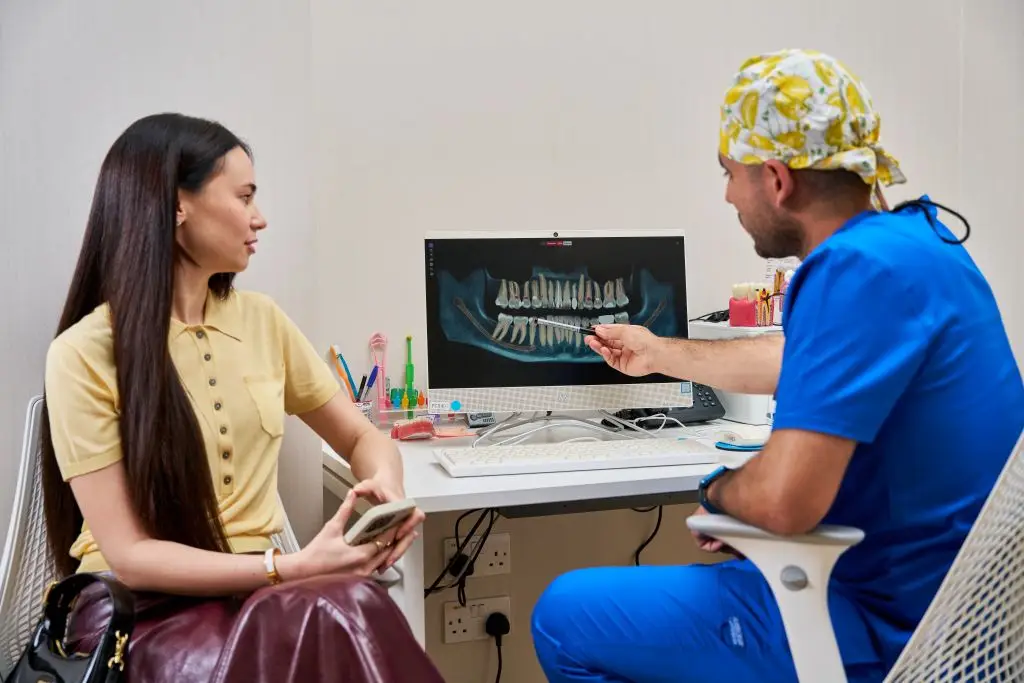
A routine diagnostic visit allows our team to evaluate the current state of your oral health and identify early signs of decay, gum inflammation or bite-related concerns. Using magnification, intraoral imaging and digital radiography, dentists at TRUE SMILE Dental Centre ensure that even subtle changes are recorded. When necessary, 3D CBCT scanning provides additional information for analysing bone quality, root anatomy, impacted teeth and structural details that are essential for safe planning.
After the examination, you receive a clear explanation of findings, potential risks, and treatment options. We take the time to answer questions and outline a practical plan — whether it involves preventive care, hygiene, restorative treatment or specialist follow-up. Each step is designed to make your experience predictable, comfortable and well-organised.
To support patients preparing for their appointment, we also offer a detailed overview of what to expect during the first adult dental visit in Abu Dhabi.
Cost for Diagnostics and Dental Check-Up
Check full price-listDoctors providing services
We've assembled an international team of dental experts who use cutting-edge technology — from 3D diagnostics to anti-stress dentistry with nitrous oxide.



Dr. Natalia Lola
Specialist Orthodontist, CEO

Dr. Mustafa Sarikahya
Endodontics Specialist

Dr. Shan Alvi
Specialist Prosthodontist and Implantologist

Dr. Ramona Kleinschmidt Do Valle
General Dentist
Dr. Nawar Khafaji
General Dentist


Dr. Faten Souki El Jurdi
General Dentist

Dr. Tina Kumar
Specialist Endodontist

Dr. Karan Kalra
Specialist Orthodontist

Dr. Ali Gibreel
General Dentist, Restorative & Aesthetic Dentist
Dr. Tatiana Pestova
General Dentist

Dr. Yazan Abukhalaf
Oral & Maxillofacial Surgeon

Dr. Irina Evstafeva
General DentistWhy Families Trust True Smile
International expertise under one roof
A truly global team with experience from leading clinics in different countries.

Anti-stress dentistry for adults and children
Gentle adaptation, calm communication, and nitrous oxide sedation when anxiety gets in the way.

Precise diagnostics, clear treatment plans
We explain every step, show options, and build a plan that matches your goals and budget.

Comfort-first, pain-controlled care
Modern anaesthesia and careful technique to keep treatment smooth and comfortable.
Family dentistry you can trust
From children's check-ups to complex adult cases, we care for smiles at every age.
Multilingual team
Our dentists and coordinators speak multiple languages, so you'll always feel understood.
CAPP MENA Dental Awards


Average rating our clinic

Don't know what service you need?
Leave your details and we will call you back

We answer frequently asked questions
A comprehensive dental and gum examination is a thorough evaluation of your oral health, including your teeth, gums, and surrounding tissues. It typically involves a visual inspection, diagnostic tests, and possibly X-rays to assess the overall condition of your mouth.
Regular comprehensive examinations are crucial for maintaining good oral health. They can help detect early signs of dental problems, such as cavities, gum disease, or oral cancer, allowing for timely treatment and prevention of more serious issues.
The frequency of comprehensive examinations depends on your individual oral health needs. Generally, it is recommended to have a check-up every six months, but your dentist may suggest more or less frequent visits based on your specific situation.
A comprehensive examination typically includes a visual inspection of your teeth and gums, checking for signs of decay, gum disease, or other abnormalities. It may also involve X-rays, dental impressions, and assessments of your bite and jaw function.
The duration of a comprehensive examination can vary depending on the complexity of your case and the specific procedures involved. On average, it can take anywhere from 30 minutes to an hour.
A comprehensive examination is generally painless. However, you may experience some discomfort during certain procedures, such as probing for gum disease or taking X-rays. Your dentist will take steps to minimize any discomfort.
After the examination, your dentist will discuss their findings with you and recommend any necessary treatments or follow-up appointments. You may also receive advice on maintaining good oral hygiene and preventing future dental problems.
The cost of a comprehensive examination can vary depending on your location, the dentist's experience, and the specific procedures involved. It's best to check with your dental office for their pricing.
Comprehensive examinations are generally safe and non-invasive. However, there may be a small risk of radiation exposure from X-rays, but modern dental X-ray machines use very low doses of radiation.
Yes, a comprehensive examination often includes a screening for oral cancer. Your dentist will check for any suspicious lesions or abnormalities in your mouth and may recommend further testing if necessary.
During an initial dental consultation, your dentist will review your medical and dental history, perform a thorough oral examination, and discuss any concerns to establish a personalized treatment plan.
3D treatment planning in dentistry utilizes advanced imaging techniques to create a precise three-dimensional model of your teeth and jaws, aiding in accurate diagnosis and effective treatment strategy formulation.
3D imaging offers a detailed, multidimensional view of your oral structures, enabling your dentist to detect issues that may be overlooked with traditional 2D X-rays and to plan treatments with greater precision.
At your first consultation, expect a comprehensive examination of your oral health, an in-depth discussion about your dental history and current concerns, and an explanation of the potential benefits of 3D imaging for your case.
For complex dental cases, 3D treatment planning allows dentists to simulate various treatment outcomes, plan surgical procedures accurately, and ensure optimal positioning and integration of restorations or implants.
Overall, 3D treatment planning is considered more accurate than traditional methods as it provides a complete, detailed visualization of your dental anatomy, leading to improved diagnostic accuracy and treatment outcomes.
A dental X-ray is a diagnostic imaging tool that uses a minimal amount of radiation to capture detailed images of your teeth and jawbone, helping dentists identify problems that are not visible during a routine examination.
Dental X-ray imaging works by directing controlled radiation through your oral structures, which is then captured on a digital sensor or film to produce a precise image of your dental anatomy.
The benefits include early detection of cavities, bone loss, impacted teeth, and other dental issues, allowing for timely and targeted treatment planning.
Dental X-rays are generally safe due to the low levels of radiation used, and protective measures such as lead aprons and thyroid collars are routinely employed to further minimize exposure.
The frequency of dental X-rays depends on your individual oral health and risk factors, but they are typically recommended once every one to two years during routine dental check-ups.
Common types include bitewing, periapical, panoramic, and cone beam computed tomography (CBCT), each offering unique views and levels of detail to aid in comprehensive dental evaluation.
Cone beam computed tomography (CBCT) is an advanced imaging technology that produces detailed three-dimensional images of dental structures, allowing for precise diagnosis and treatment planning.
CBCT uses a cone-shaped X-ray beam to capture the entire area in one rotation, resulting in high-resolution images with significantly lower radiation exposure compared to traditional CT scans.
Clinically, CBCT provides accurate visualization of bone structures, tooth roots, and surrounding tissues, aiding in the early detection of dental issues and anomalies that might not be visible on standard X-rays.
The 3D imaging capability of CBCT is invaluable in dental implant planning, as it helps in assessing bone quality, determining the optimal implant position, and minimizing surgical risks.
Although CBCT involves exposure to ionizing radiation, the doses are generally lower than those associated with conventional CT scans, making it a safer option when used appropriately.
During a CBCT scan, patients can expect a quick, non-invasive procedure where they remain still while the scanner rotates around their head to capture comprehensive, high-quality images of their dental anatomy.
What Our Patients Say – Testimonials
Hear from the people who trust us with their smiles. Real experiences from our patients in Abu Dhabi.


Blog
Discover fun facts, expert advice, and practical tips to help you understand your teeth better and take great care of your smile.

Abu Dhabi’s Hidden Dental Crisis: How Desert Heat & AC Are Silently Damaging Your Teeth
Read More +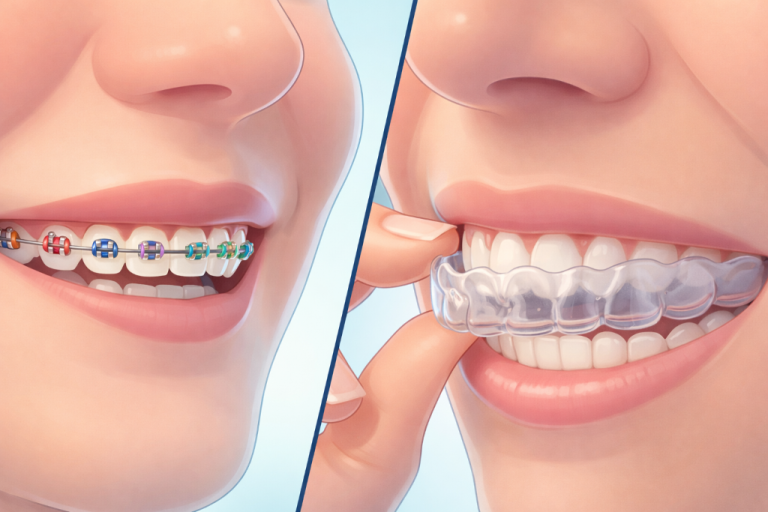
Invisalign vs Braces in Abu Dhabi: Differences, Cost Factors & Who It’s Best For
Read More +TRUE SMILE Dental Centre Wins 4 Awards at the Prestigious CAPP MENA Dental Awards
Read More +
Best Dentist in Abu Dhabi: 10 Signs of Truly Exceptional Dentistry
Read More +
Why Are Temporary Prostheses Placed on Implants First?
Read More +
How We Learned to Grow Teeth: From Early Experiments to the Breakthroughs of 2025
Read More +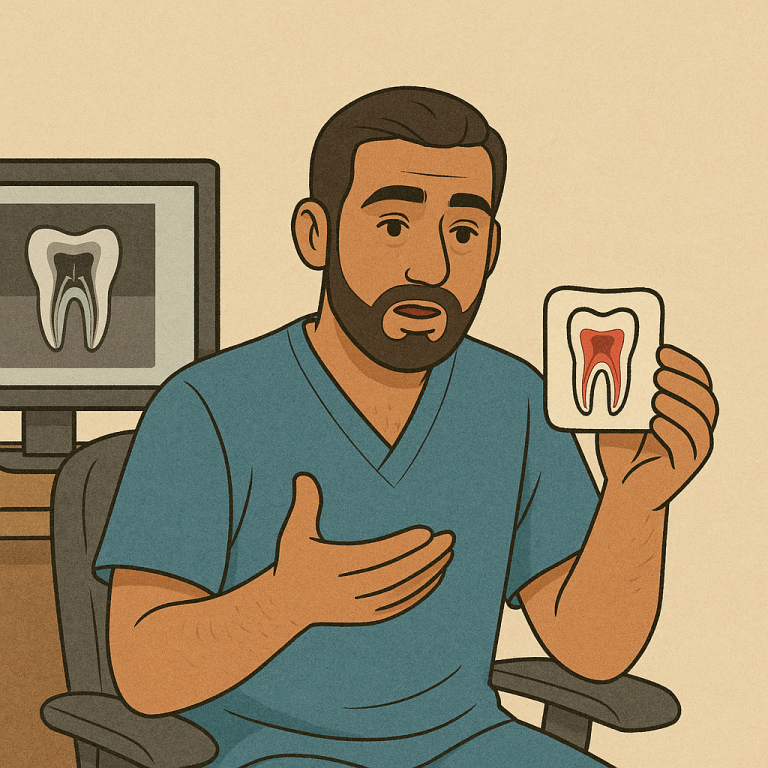
Is Pain After Root Canal Normal?
Read More +
You’ve Started Orthodontic Treatment with Clear Aligners in Abu Dhabi
Read More +