


Restorative and General Dentistry

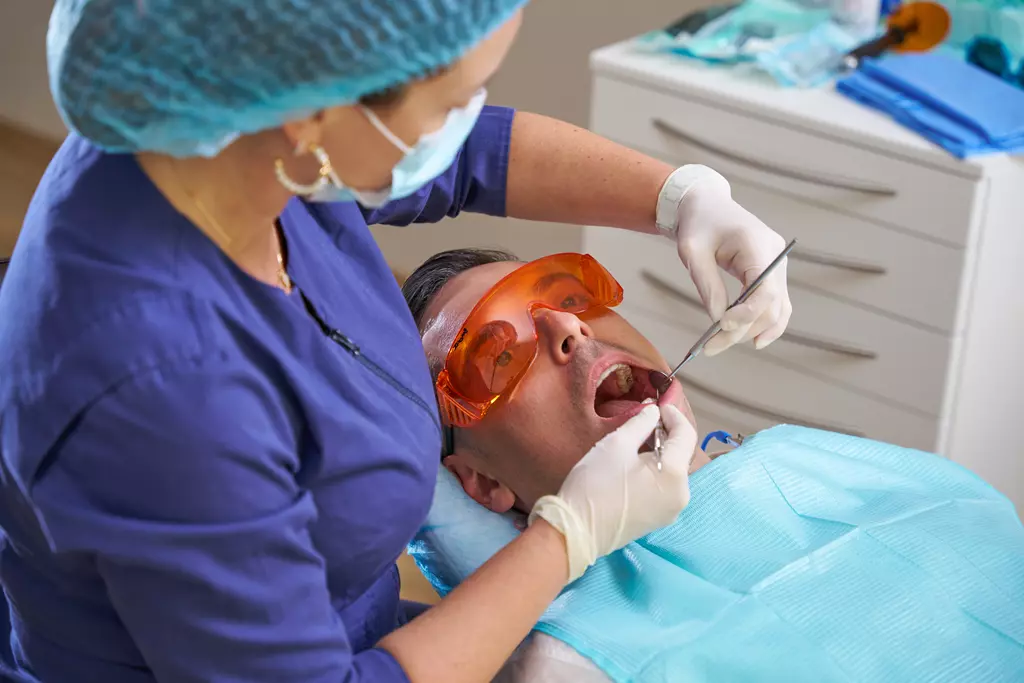


Cost for Restorative and General Dentistry
Check full price-listDoctors providing services
We've assembled an international team of dental experts who use cutting-edge technology — from 3D diagnostics to anti-stress dentistry with nitrous oxide.



Dr. Natalia Lola
Specialist Orthodontist, CEO

Dr. Mustafa Sarikahya
Endodontics Specialist

Dr. Shan Alvi
Specialist Prosthodontist and Implantologist

Dr. Ramona Kleinschmidt Do Valle
General Dentist
Dr. Nawar Khafaji
General Dentist


Dr. Faten Souki El Jurdi
General Dentist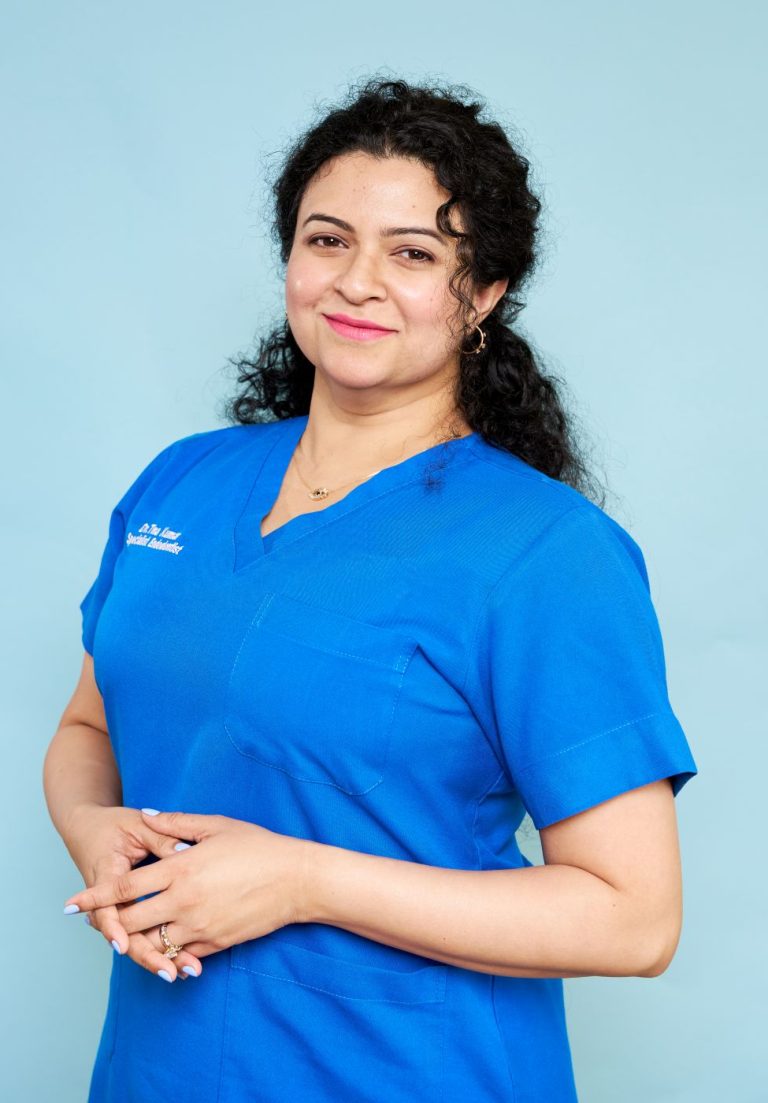

Dr. Tina Kumar
Specialist Endodontist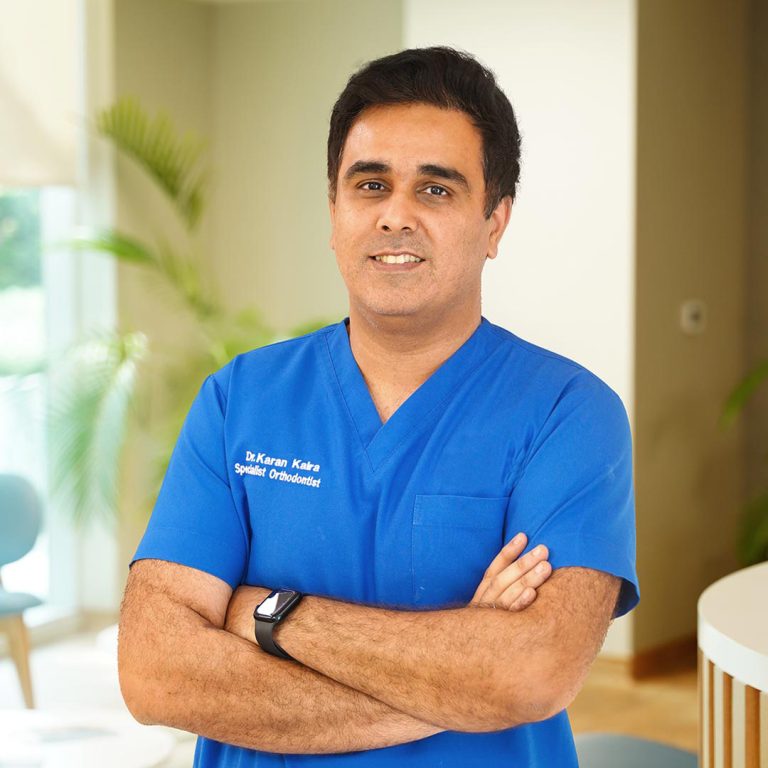

Dr. Karan Kalra
Specialist Orthodontist

Dr. Ali Gibreel
General Dentist, Restorative & Aesthetic Dentist
Dr. Tatiana Pestova
General Dentist

Dr. Yazan Abukhalaf
Oral & Maxillofacial Surgeon

Dr. Irina Evstafeva
General DentistWhy Families Trust True Smile
International expertise under one roof
A truly global team with experience from leading clinics in different countries.

Anti-stress dentistry for adults and children
Gentle adaptation, calm communication, and nitrous oxide sedation when anxiety gets in the way.

Precise diagnostics, clear treatment plans
We explain every step, show options, and build a plan that matches your goals and budget.

Comfort-first, pain-controlled care
Modern anaesthesia and careful technique to keep treatment smooth and comfortable.
Family dentistry you can trust
From children's check-ups to complex adult cases, we care for smiles at every age.
Multilingual team
Our dentists and coordinators speak multiple languages, so you'll always feel understood.
CAPP MENA Dental Awards


Average rating our clinic

Don't know what service you need?
Leave your details and we will call you back

We answer frequently asked questions
Cavity treatment under a microscope involves using a dental microscope to provide enhanced visualization, enabling precise detection and removal of decay for optimal restoration placement.
By magnifying the treatment area, a microscope helps dentists identify even the smallest areas of decay, ensuring thorough cleaning and accurate treatment.
The benefits include improved diagnostic accuracy, preservation of healthy tooth structure, early detection of secondary decay, and overall enhanced treatment outcomes.
The detailed view allows for meticulous decay removal and precise bonding of restorative materials, which contributes to the durability and longevity of dental restorations.
Yes, the enhanced magnification and illumination provided by a microscope offer a level of precision that surpasses traditional cavity treatment methods.
Patients should expect a procedure that is similar to conventional cavity treatment, but with greater accuracy and potentially less invasive intervention, resulting in a higher standard of care.
If the pulp is still reversible, relief is often immediate once the cavity is cleaned and the tooth is sealed. Lingering sensitivity usually settles within a few days. If it is irreversible, the pain stops after vital pulp therapy or a root canal, most often within the first 24 hours.
Yes. A pattern of pain that starts on its own, worsens with hot drinks, and sometimes feels better with cold water is common in symptomatic irreversible pulpitis. The pain coming and going does not mean the tooth is healing. It means the nerve is unstable and needs treatment.
You will be numb. You may feel vibration or pressure but not sharp pain. Most people need only simple pain relief afterward and feel normal within a day or two.
Usually not. Antibiotics do not fix inflammation inside the tooth. They are used only when there is spreading infection, swelling, fever, or when true dental care is delayed for a medical reason.
Often yes, especially in front teeth and premolars. Molars with complex canals or retreatments may need two visits. We plan around your schedule and travel.
We coordinate with your obstetrician. Urgent care is usually safe in the second trimester. We limit imaging to what is essential and choose anaesthetics carefully.
Early pulp changes are functional rather than visible on a standard X-ray. Clinical tests and the view under the microscope guide the decision. If needed, focused 3D imaging shows details that a flat image misses.
We place a strong core the same day to seal the tooth. Back teeth usually need an onlay or crown to prevent cracking. You come in for a quick check in a few weeks, then resume routine checkups.
See the guide above. After the examination you receive a written plan with exact fees and timings.
It is a plan to remove the bacteria causing inflammation under the gums, smooth root surfaces so plaque cannot reattach easily, and then keep everything clean over time. Most people start with deep cleaning (scaling and root planing) and review at 6–8 weeks. Only persistent deep pockets move on to surgical or regenerative steps.
Yes. With thorough cleaning and good home care, we can stop bone loss and keep teeth stable. In early cases, pockets often return to healthy depths without surgery.
The best treatment is the least invasive option that actually works in your mouth. For many, that is microscope-guided SRP plus maintenance. For deep, angular defects, regenerative surgery may be the most effective choice. We show you measurements and photos so the decision makes sense.
Costs depend on how many areas are affected and whether surgery or regeneration is needed. With insurance, some parts may be covered; without insurance, we provide a clear written plan and can phase visits. We will show you where you can save (for example, by combining quadrants in the same visit).
We numb the area completely. You will feel vibration and pressure, not sharp pain. Afterward, mild soreness is typical for a day or two and is manageable with simple pain relief and the care instructions we provide.
Lasers help reduce bacteria and inflammation, but they do not replace mechanical cleaning. We recommend them when they add a real benefit for your specific pockets.
Often yes. Many 5 mm pockets reduce to 3–4 mm with careful cleaning and better home care. Some deep, narrow defects need regeneration to gain further stability.
That is an infection at the root tip, not a gum pocket. The treatment for apical periodontitis is usually root canal retreatment. If the canal is already excellent and a small lesion persists, we may consider apical microsurgery. We also check the gums around that tooth because combined problems can mimic one another.
Only if deep pockets remain after thorough non-surgical therapy, or if the bone defect has a shape that responds well to regeneration. We always try the simplest effective option first.
Yes. Once controlled, you can eat, smile, and maintain your teeth normally. The key is regular maintenance and a home routine that truly fits your life.
Inflamed gums are swollen and puffy. When swelling goes down, teeth may look slightly “longer,” but they are healthier. If recession is a concern, we can discuss soft-tissue grafting.
Usually no. Ceramic brackets tend to cost more. If orthodontics is part of your long-term plan after gums are healthy, we will explain options and timing.
Most patients feel comfortable within a few days. Any tenderness when chewing usually fades in 24–48 hours and can be managed with over-the-counter pain relief. The deeper healing, where bone around the root regenerates, happens gradually over a few months — but you’ll be able to eat and live normally soon after treatment.
Absolutely — when the tooth can be restored properly, a root canal is one of the most predictable ways to save your natural tooth. It removes infection, stops pain, and prevents the need for extraction, implants, or bridges later on. In most cases, preserving what nature built is both kinder to your biology and more economical in the long term.
During the procedure, no — with modern local anaesthesia and microscope-guided technique, patients typically feel only light vibration or pressure. Afterward, the tooth and surrounding tissue might be mildly sore for a day or two, similar to a bruise that’s healing. This settles quickly and rarely interferes with daily life.
First, the area is numbed for comfort. Under magnification, the dentist makes a small opening, removes the inflamed tissue, cleans and shapes the canals, disinfects them thoroughly, and seals everything with a safe, biocompatible material. The tooth is then closed with a protective filling — and often later covered with a crown or onlay for strength. The aim is simple: a calm, pain-free tooth that functions naturally again.
It’s a tooth-coloured material we use to rebuild areas of a tooth that have been damaged by decay, a chip, or general wear. The material bonds directly to your tooth and is applied in small layers, then hardened with a special light. The goal is to restore both the strength and the natural look of your tooth.
The material itself is excellent, but it’s very sensitive to how it’s placed. If saliva or moisture gets in the way, the bond won’t be as strong. That’s why we always isolate the tooth properly (usually with a rubber dam) and follow a strict protocol. When done correctly, composites perform very well.
On average, 5–10 years is common. In low-stress areas of the mouth, some last even longer. Their longevity depends on how well you clean your teeth, how your bite works, and how regularly you come for check-ups. If repairs are ever needed, they are usually straightforward.
The fee depends on the size and location of the cavity, as well as how many surfaces are affected. Sometimes additional steps are needed, like a liner to protect the nerve or re-bonding a broken contact. We always provide a written treatment plan before starting so you know the exact cost.
No. We use modern local anaesthetic so the procedure itself is painless. You may feel vibration or pressure from the dental handpiece, but not pain. Occasionally, patients notice mild sensitivity for a day or two afterwards—especially if the filling was deep—but this usually settles quickly.
Composites hold their colour well when they’re polished properly. Over the years, light staining from coffee, tea, or wine can appear, but it’s easy to polish away during a hygiene visit.
Yes, absolutely. Composite is a great solution for repairing the edge of a front tooth. We carefully shape and layer the material to mimic natural enamel. For very large chips or if you have a strong bite, sometimes a veneer or onlay is more predictable—but we’ll show you all the options.
Composite is more conservative because it allows us to keep more of your natural tooth. It’s also repairable and generally costs less. Ceramics are stronger and maintain their glossy surface for longer, making them a good choice for larger restorations. Often, the decision comes down to the size of the problem and your long-term goals.
Grinding (bruxism) can put a lot of stress on both teeth and fillings. We design the bite carefully for patients who grind and may recommend a night guard to protect your restorations. It’s an easy way to protect your investment.
Yes. Dental composites are well-researched and widely used around the world. They don’t contain metal and are considered biocompatible.
Most fillings take 30–60 minutes, depending on the size and location. Larger or multiple fillings may take longer.
Yes. Composite is often the best choice for kids because it’s tooth-coloured and less invasive. For young patients, we also pay special attention to comfort and behaviour management during treatment.
In most cases, no. Composites are colour-matched to your tooth, so they blend in seamlessly. Even close-up, it’s hard for someone to tell the difference.
With proper anaesthesia it should not be. Most people feel vibration or gentle pressure, not pain. After dental cavity treatment a deep filling can make the tooth a little tender to bite on for a day or two; this usually settles quickly.
Early white spots in enamel can sometimes re-harden with professional care and good daily habits. That is the essence of prevention done well. Once a true hole has formed, the tooth will not repair itself and a filling is needed.
We remove the softened, infected part of the tooth, disinfect the area, bond a tooth-coloured material, and polish it so it looks and feels natural. If the nerve is inflamed or infected, the next step is a root canal to clear the infection, followed by a well-sealed restoration.
No. We shape the filling to recreate a snug, natural contact so floss slides normally and food does not pack there. That is the hallmark of careful work between teeth.
Yes. For cavities in the front teeth we layer and polish tooth-coloured materials to match the shade and translucency of your enamel. The aim is a repair that disappears in photos and face to face.
We will show you a gentler technique and often suggest a soft brush. With proper isolation and bonding these restorations are durable, even close to the gum.
Deep restorations can leave a tooth temporarily sensitive to cold or chewing. This typically fades within one to two weeks. If it lingers beyond two to three weeks, or wakes you at night, come back so we can check the bite and the nerve.
Yes. Decay on exposed roots is common with gum recession or dry mouth. We tailor remineralisation, saliva support, and the design of the restoration so the area stays comfortable and easy to clean.
Yes. Tell us your schedule. We can stabilize pain if needed, then plan the definitive treatment around your trips so you do not have to put your oral health on hold.
What Our Patients Say – Testimonials
Hear from the people who trust us with their smiles. Real experiences from our patients in Abu Dhabi.


Blog
Discover fun facts, expert advice, and practical tips to help you understand your teeth better and take great care of your smile.

Abu Dhabi’s Hidden Dental Crisis: How Desert Heat & AC Are Silently Damaging Your Teeth
Read More +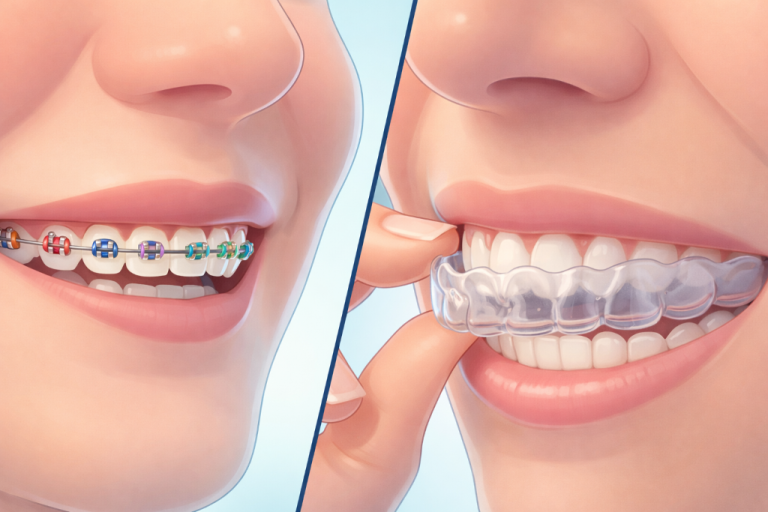
Invisalign vs Braces in Abu Dhabi: Differences, Cost Factors & Who It’s Best For
Read More +TRUE SMILE Dental Centre Wins 4 Awards at the Prestigious CAPP MENA Dental Awards
Read More +
Best Dentist in Abu Dhabi: 10 Signs of Truly Exceptional Dentistry
Read More +
Why Are Temporary Prostheses Placed on Implants First?
Read More +
How We Learned to Grow Teeth: From Early Experiments to the Breakthroughs of 2025
Read More +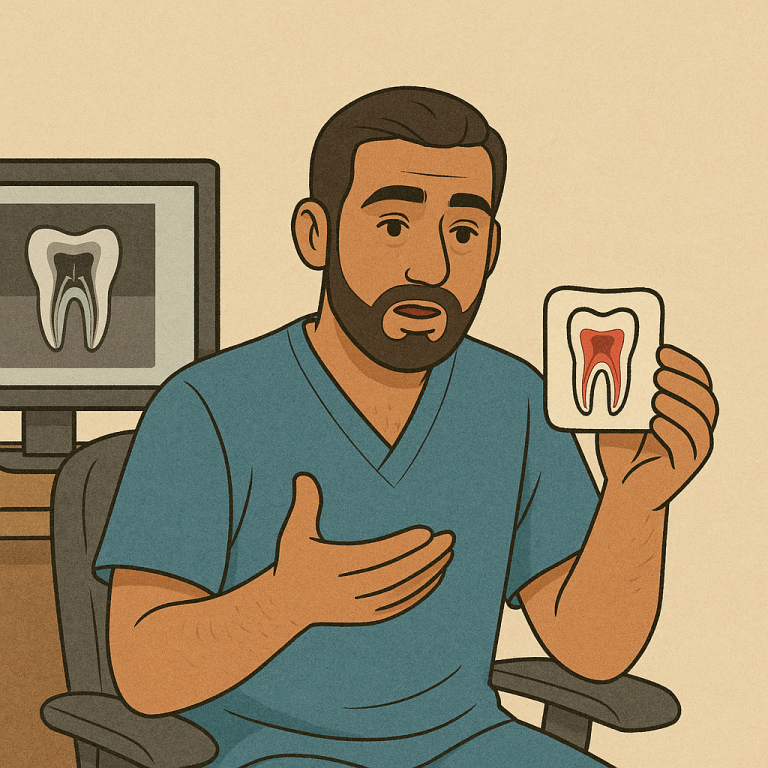
Is Pain After Root Canal Normal?
Read More +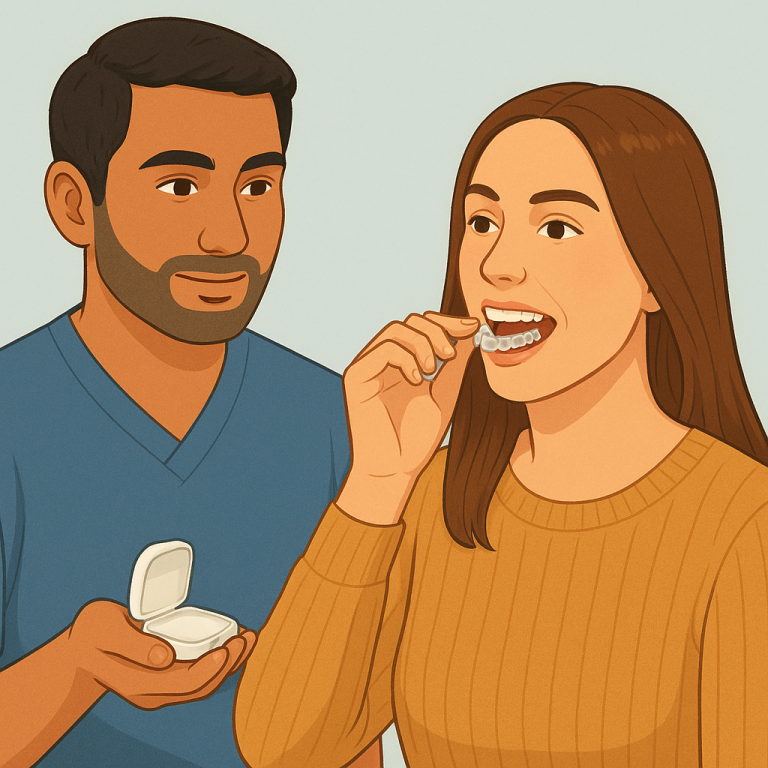
You’ve Started Orthodontic Treatment with Clear Aligners in Abu Dhabi
Read More +