Restoring the Strength of Your Bite
When a back tooth is lost, daily life changes more than most people expect. Chewing becomes uneven, food choices narrow, and the jaw must work harder on one side than the other. Over time, the bone in the empty space thins out, and neighbouring teeth may shift. At TRUE SMILE Dental Centre on Al Reem Island, we focus on restoring this part of the smile with precise, carefully planned implant treatment that feels natural and stable.
Why the Back Teeth Matter So Much
Chewing teeth support far more than the act of eating. They stabilise the entire dental arch, influence facial symmetry, and help protect the jaw joint by distributing pressure evenly. When one of these teeth is missing, the body adapts in ways that may not be obvious at first:
- food is crushed less efficiently
- digestion may be affected
- the bite shifts toward the stronger side
- the jaw joint carries more strain
- bone volume slowly reduces in the empty area
Replacing a missing molar with an implant rebuilds this lost support and helps maintain both comfort and facial balance.
Lower Jaw Implantation
The lower jaw typically provides firm bone, which often allows for a straightforward procedure. With 3D imaging, our surgeons can see the exact width and height of the bone and choose the implant location with great accuracy. This preparation allows for a stable base that can withstand everyday chewing.
Patients usually find that lower-jaw implants integrate predictably and feel secure once restored with a crown crafted to match the opposite side.
Upper Jaw Implantation
The upper jaw can present different anatomical considerations. The bone tends to be softer, and the sinus may limit available height. If the bone volume is insufficient, supportive procedures such as sinus elevation or targeted bone augmentation may be recommended. These are well-established methods used worldwide.
With the right preparation, implants placed in the upper molar region can function just as reliably as those in the lower jaw and provide the same long-term stability.
When This Treatment Is Recommended
Implant therapy for the chewing area may be considered when a patient has:
- a missing tooth after extraction or trauma
- difficulty chewing on one side
- tilting or drifting of neighbouring teeth
- bone thinning in the area of the missing root
- recurrent discomfort from overloading the remaining teeth
A consultation allows us to evaluate the condition of the bone, gum health, and overall chewing pattern to determine the safest and most effective solution.
When Implant Placement Should Be Postponed
There are situations in which the jaw or soft tissues need to be prepared before any surgical procedure. This includes active gum inflammation, untreated infections, or systemic conditions that require stabilisation. Tobacco use, certain medications, and low bone density may also affect the timing of treatment.
Our goal is always the same: choose the moment when the body is most ready to support healthy healing.
How We Select Materials
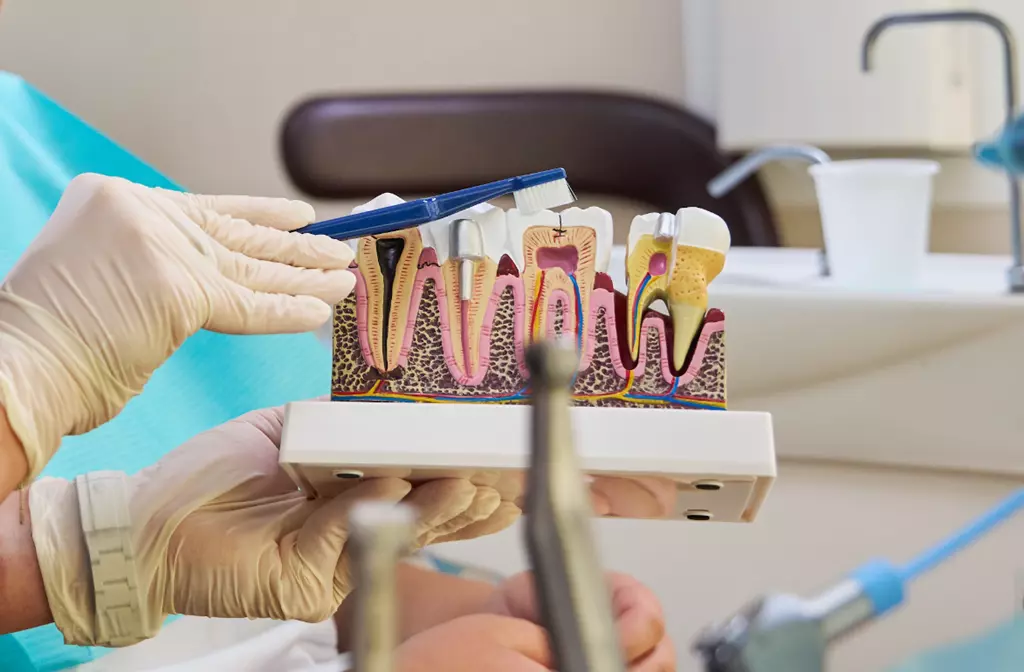
TRUE SMILE uses implants made from medical-grade titanium due to their compatibility with bone and their proven record of long-term performance. Once the implant integrates, a ceramic crown is designed to recreate the original tooth’s shape, shade, and chewing surfaces.
The design is based on digital scans, allowing us to match the bite with high accuracy and avoid unnecessary pressure on the restored tooth.
Modern Diagnostics and Digital Planning
Accurate planning is essential for back teeth, which absorb the strongest forces. We rely on a combination of 3D CBCT imaging, digital impressions, and computer-based planning tools that allow our surgeons to visualise the future position of the implant before treatment begins.
This reduces surgical time, improves comfort, and helps achieve a precise result. When appropriate, a guided surgical template is created to support a minimally invasive approach.
How the Treatment Unfolds
Consultation and Assessment
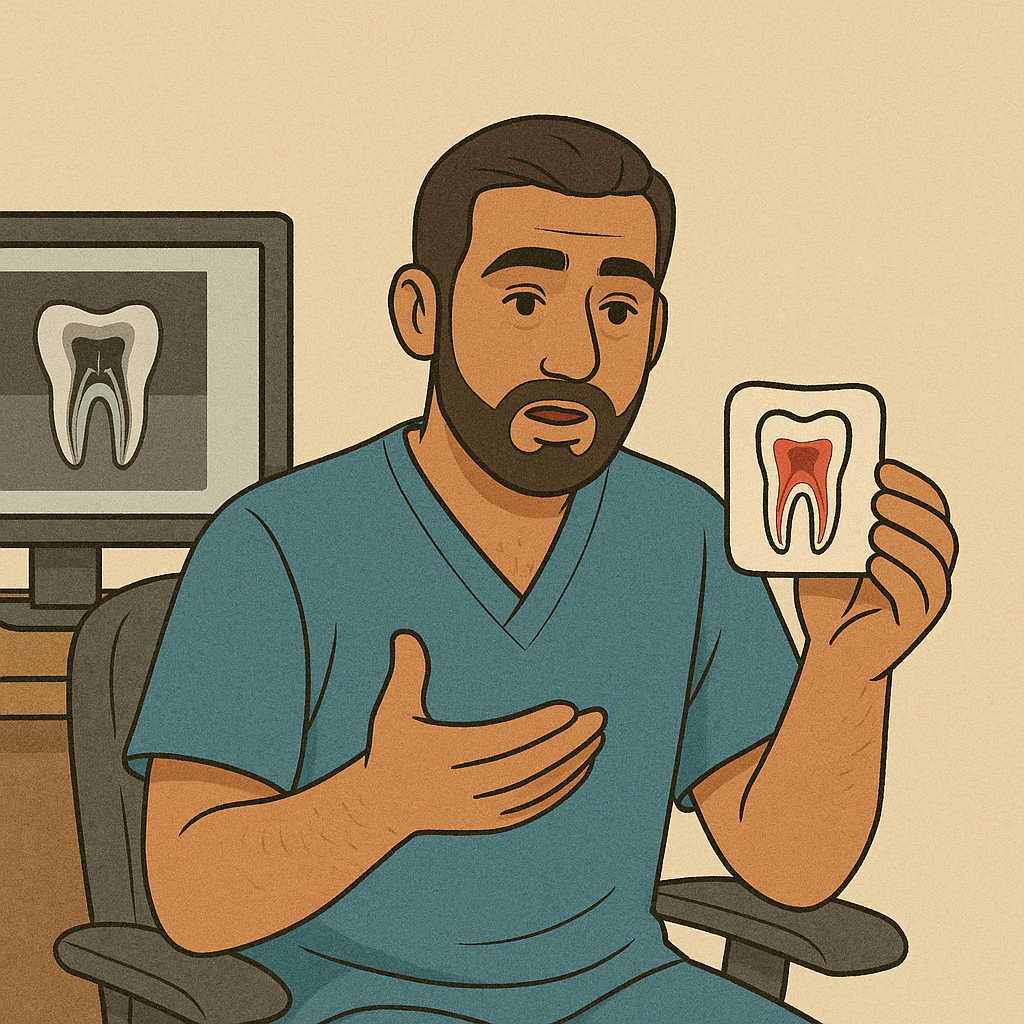
We review medical history, examine the gums and bone, take CBCT scans, and discuss expectations.
Implant Placement
The implant is positioned gently within the bone. Patients may choose local anaesthesia, nitrous oxide, or deep sleep anaesthesia depending on comfort level.
Healing
The bone gradually integrates with the implant surface. This biological process takes place naturally over several weeks or months.
Final Restoration
A customised ceramic crown is attached to the implant, allowing you to chew normally again.
Recovery and Care
Swelling or mild pressure may appear in the first days, and soft foods are generally recommended. Most patients return to work the next day. Long-term success depends on consistent oral hygiene, regular professional cleanings, and follow-up visits. With proper care, a molar implant can remain functional for many years.
Understanding the Cost
The investment varies because every clinical situation is different. Factors include:
- the condition of the bone and gums
- the type of implant system
- whether bone enhancement is necessary
- the design and material of the final crown
Before any treatment begins, patients receive a detailed plan outlining every stage and associated cost so they can make an informed decision.