When Is Professional Teeth Cleaning Necessary?
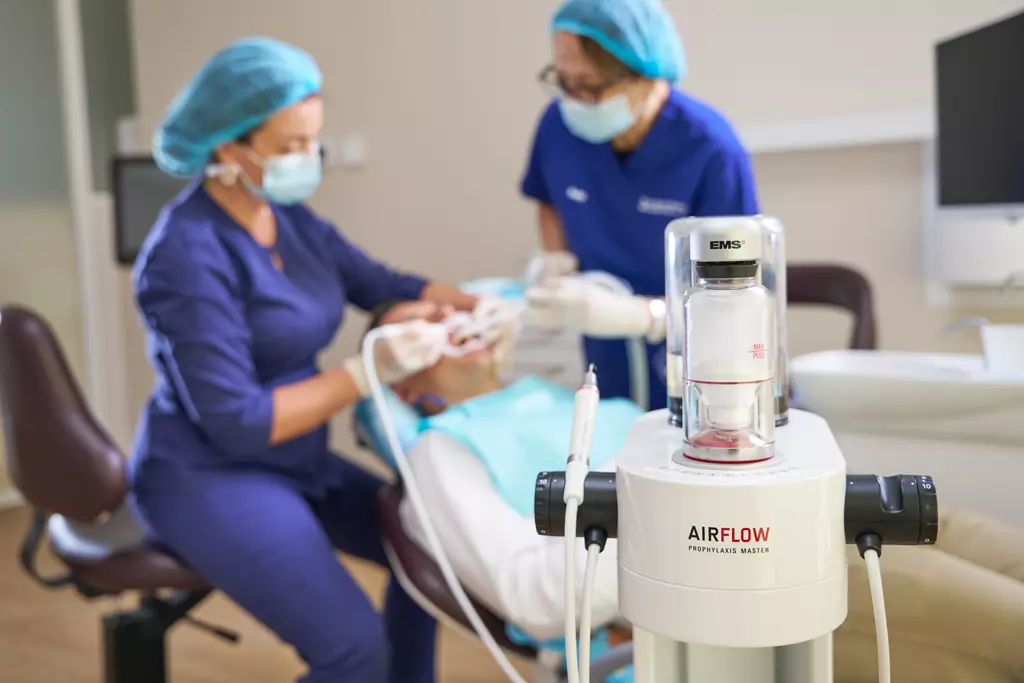
Professional teeth cleaning, also known as dental prophylaxis, is a preventive procedure performed by a dentist or dental hygienist to remove plaque, tartar, and stains from teeth. Regular cleanings help maintain oral health, prevent gum disease, and keep your smile bright. At our Abu Dhabi clinic, ultrasonic scaling is performed with an ultrasonic tooth cleaner to remove tartar comfortably and safely.
A dentist may recommend professional cleaning in the following cases:
Plaque and Tartar Buildup – Even with good oral hygiene, plaque can harden into tartar, which requires professional removal.
Gum Inflammation (Gingivitis) – Early gum disease can often be reversed with timely, thorough cleanings.
Persistent Bad Breath (Halitosis) – Bacteria trapped in plaque and tartar contribute to unpleasant odour.
Stained or Discoloured Teeth – Cleaning helps remove surface stains from coffee, tea, tobacco, and certain foods.
Preventive Dental Care – Routine visits reduce the risk of cavities, gum disease, and related oral issues.
Types of Professional Teeth Cleaning
1. Regular Dental Cleaning (Prophylaxis)
Removes plaque, tartar, and stains from tooth surfaces. Polishes teeth to slow plaque accumulation. Recommended every 6 months for most patients.
2. Deep Cleaning (Scaling and Root Planing)
Indicated for patients with gum disease. Targets plaque and tartar below the gum line. Smooths root surfaces to support gum reattachment and healing.
3. Ultrasonic Scaling
Uses high-frequency sound waves to break up tartar and plaque without damaging the tooth surface. Minimises the need for manual scraping, making the procedure more comfortable. Highly effective for stubborn or deep deposits.
4. Air Polishing
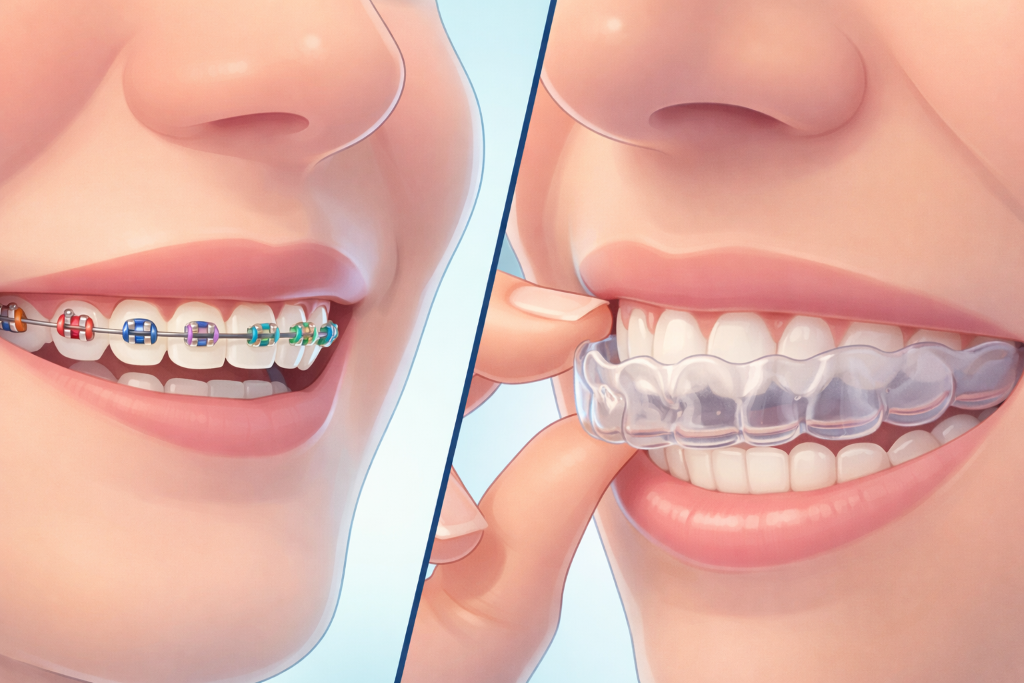
Uses a combination of water, air, and fine powder to remove plaque and stains. Ideal for patients with braces or dental restorations.
5. Fluoride Treatment
Applied after cleaning to strengthen enamel and increase resistance to cavities.
What to Expect During a Professional Cleaning
• Oral Examination – The dentist or hygienist checks for early signs of cavities, gum disease, and other concerns.
• Plaque and Tartar Removal – Special instruments, including ultrasonic scalers, gently break down and remove deposits.
• Teeth Polishing – A polishing paste and rotating brush smooth the enamel.
• Flossing and Rinsing – Clears any remaining debris.
• Fluoride Application – Offered when additional decay protection is needed.
Benefits of Professional Teeth Cleaning
Regular teeth cleaning helps prevent gum disease and tooth decay by removing the buildup that gradually harms oral tissues. It also improves breath freshness by reducing the bacteria responsible for persistent odour. Professional cleanings brighten your smile by lifting surface stains and smoothing the tooth surface, making it harder for new plaque to form. Just as importantly, routine visits allow your dentist to spot early signs of dental problems while they are still easy to treat. Maintaining good oral health also contributes to overall wellbeing, with research showing links between a healthy mouth and lower risks of certain cardiovascular and metabolic conditions.
How to Maintain Oral Health Between Cleanings
• Brush Twice Daily – Use fluoride toothpaste and a soft-bristled brush.
• Floss Daily – Removes plaque between teeth where brushes can’t reach.
• Limit Sugary and Acidic Foods – Protects enamel and reduces cavity risk.
• Avoid Tobacco Products – Helps prevent gum disease and staining.
• Stay Hydrated – Water helps wash away bacteria and food particles.
When to Contact a Dentist
Seek professional care if you notice:
• Plaque buildup despite consistent brushing and flossing.
• Bleeding or sensitive gums.
• Bad breath that persists.
• Visible tartar deposits.
Conclusion
Professional teeth cleaning plays a key role in maintaining healthy teeth and gums. Regular visits, supported by good home care, help keep your smile bright and prevent future problems. If it has been more than six months since your last cleaning, consider scheduling your next visit to stay on track with your oral health.